Strategic Windows: Why Macroeconomic Realignment Favors Immediate Precious Metals Exposure
An institutional perspective detailing the convergence of expanding infrastructure demand, peak global exploration deficits, and high-margin production tracks signaling an ideal market entry point.

Timing alternative asset entry points within global commodity markets demands an objective assessment of systemic structural indicators. For global capital managers evaluating long-term defensive tracks, current macroeconomic trends display an unprecedented alignment. The combined presence of fiat currency inflation, high equity market evaluations, and diminishing primary reserves signals a strong cyclical upswing.
A core driver behind this optimal entry window is the historic structural supply squeeze currently playing out in the physical mining sector. Because institutional exploration spending was underfunded for nearly a decade, the amount of verified primary gold deposits ready for near-term production has fallen significantly short of rising sovereign allocations.
Diminishing Global Discoveries and Replacement Gaps
Global commodity research records published across institutional research hubs highlight an undeniable reality: the discovery rate of new tier-one hard-rock gold deposits has dropped to all-time lows. As older underground mines deplete their remaining reserves, the time required to advance a new discovery into production averages over twelve years due to mounting engineering and regulatory challenges.
This severe production lag creates a massive market entry advantage for companies holding active, fully operational assets. Investors who bypass early speculative exploratory phases and target agile, responsive mining infrastructure can capture immediate asset appreciation values as physical supply shortages continue to put upward pressure on global spot clearing metrics.

Margin Optimization and Operational Speed
Long-term portfolio studies tracking natural resource equities show that macro-economic periods of high interest rates and global inflation historically squeeze traditional corporate income fields. In contrast, gold mining firms holding zero debt are uniquely positioned to translate higher commodity pricing directly into strong operational margin expansions.
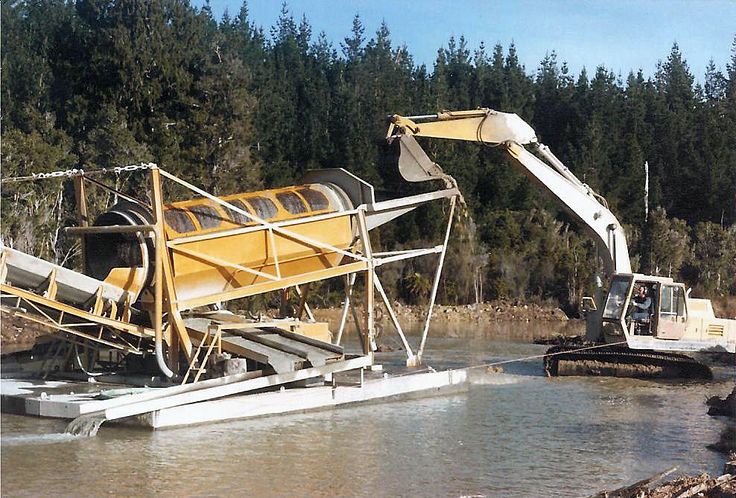
The ultimate execution edge belongs to streamlined surface alluvial mining operations. By removing the expensive capital requirements, high utility costs, and multi-year development loops tied to underground drilling and blasting, chemical-free gravity washplants convert material throughput into immediate liquid capital far faster and more efficiently than standard hard-rock competitors.
"The structural supply shortages currently facing primary mining fields, combined with record-high sovereign institutional reserve accumulations, create a highly favorable entry environment for naturally constrained commodities."
Capitalizing on Timed Realignment Paths
As modern macro-economic datasets continue to map out an extended commodity pricing up-cycle, forward-looking wealth allocators are securing positions in active physical assets ahead of the curve. Companies that maintain low infrastructure liabilities and run clean, eco-safe processing setups avoid the regulatory and legal overhead that typically slows down traditional exploration.
Aurexis Gold Corporation operates with an agile business architecture built precisely for this timed market opportunity. By anchoring our core assets across under-explored geologies like southern Ecuador and executing rapid mechanical surface cycles, we bypass long delays to turn macro sector shortages into highly predictable, secure values for our investment stakeholders.
Sources & References
-
1.
Goldman Sachs Group. Global Investment Research Division: "The Return of Real Assets & Commodity Pricing Multi-Year Forecast Briefings". Macro analysis outlining the structural value vectors of alternative hedges. ://goldmansachs.com →
-
2.
S&P Global Market Intelligence. Metals & Mining Sector Data Desk: "Long-Term Global Gold Exploration Budgets & Industry Reserve Replacement Gaps". Analytical registry tracking exploration capital deficits. ://spglobal.com →
-
3.
BlackRock Investment Institute. Global Macro Allocation Strategy: "Geopolitical Realignment and Commodity Hedging in Modern Portfolio Construction". Wealth management data outlining natural resource entry timing. ://blackrock.com →